MindBody Fitness

Seasonal Affective Disorder

Seasonal Affective Disorder (aka SAD) impacts a large population around the globe. It is particularly evident in countries in Scandinavia where long periods of darkness exist due to the reduced sunlight exposure at certain latitudes. Significant behavioral changes become evident during these prolonged months: including alcoholism and substance abuse, depression, suicidal ideation,and social isolation.

Research has proven that the human brain and nervous system are significantly impacted by the amount of sunlight or lack of sunlight. It boosts both melatonin and serotonin which are critical in regulating sleep and mood.

Sunlight ( natural) has been shown to increase alertness and thinking ability. Sunlight travels into the eye through the retina into the brain, stimulating many regions ( pituitary, hypothalamus, pineal gland, visual cortex,). It is a critical source of Vitamin D. Vitamin D receptors exist in the brain including  the cortex and hippocampus. Both of these regions play a role in cognition. Low Vitamin D has been implicated in depression and cancer.

Sunlight exposure can be a as simple as 10 -15 minutes of outdoor activity during the winter months. Getting outdoors in the cold months can be challenging but it is very rewarding. It is also a known fact that exercising in the cold truly boosts the nervous system and metabolic function.

Keys during the winter months:

1. Dress appropriately for the cold. Use a layering system that utilizes recommended apparel that seals in your body’s warmth, yet is breathable and wicks moisture away from your body. ( Under Armour, Nike, Patagonia, North Face). Proper foot ware is also essential.

2. Hydrate well during the winter months.

3. Make it a priority to get out each day and exercise in the sunlight for a minimum of 15 minutes. If you are a more active person then engage in a t least 45 -60 min of outdoor activity.

4. Pick up a new sport:  Skiing, skating, hiking , running, mountain biking.

5. if your activity levels drop off during winter months then make the necessary nutritional changes.

4.  Allow the sunlight to penetrate your eyes.

Methylation

If your body’s methylation process is not functioning optimally it will translate into many health problems and eventually accelerate the aging process. Without methylation, your body would cease to function.

Certain chemicals, called methyl groups are combined to a variety of proteins, molecules and your DNA. It is essential that they function optimally. For example, if serotonin, a chemical found in the brain and gut isn’t methylated it will become inactive and in turn can lead to anxiety and depression. Many chemicals in the body need to undergo the methylation process or they can lead to a variety of significant health consequences.

Methylation of Homocysteine

Homocysteine is a by-product of an important amino acid methionine and is what remains when methionine is used to methylate your proteins and DNA. Homocysteine needs to be methylated to convert back to methionine. If this does not occur serious health consequences will occur.

Homocysteine is implicated in:

  • Heart disease and stroke ( clumping together of blood platelets).
  • Higher levels of oxidized LDL cholesterol ( reacting with iron and copper ions to produce free radicals).
  • Neuro-degnerative disease ( Alzheimer’s and dementia).
  • Liver disease.
  • Depression.
  • Aging ( believed to be involved in the destruction of telemores).

DNA Methylation

  • Methylation of specific parts of your DNA can in fact ” switch off” unnecessary genes and prevent abnormal DNA division. In essence, these abnormalities are not passed on to future generation of cells, which, in turn, is a crucial aspect of successful and healthy aging.
  • The methylation process slows down as we age and becomes less efficient and leads to a build up of homocysteine, more DNA damage and the inevitable development of inflammation and neurochemical imbalance that can lead to depression.
  • Therefore, it is essential to ensure balanced methylation so as to avoid a variety of degenerative diseases.
  • Your body will balance the methylation process if you “fuel ” the process properly.

Fueling the Methylation Process:

  • The 3 main compounds needed to fuel proper methylation are: B vitamins (B6, B12 and folic acid), Tri-methyl Glycine TMG ( aka Betaine) and SAMe.
  • As we age we need more B vitamins and are really co factors in the process
  • SAMe is the most important methylating agent,  a natural chemical found in all cells. It is formed in the body by combining the amino acid methionine and ATP. It can be taken as supplement ( needs to be taken in an enteric coated form – susceptible to stomach acids).

Besides methylation, the other 4 key components in protecting the DNA, slowing down the aging process and promoting healthy aging are:

  • Oxidative stress and free radical formation.
  • Glycation ( binding of proteins to glucose molecules in the bloodstream forming AGE’s ( Advanced Glycation End Products). The AGE’s travel through the body and bind to cells causing them to produce toxic by-products. They are also implicated in the formation of amyloid beta plaque ( Alzheimer’s).
  • Chronic inflammation.

Neurogenesis

Neurogenesis is how the brain renews and regenerates itself. New research indicates that the brain can not only repair itself but it can be done at any age.

This finding is great news as it may shed new light on how to not only slow down the aging of the brain but help in the aging of the whole person. Neurogenesis is associated with higher cognitive function, better and faster memory, emotional vitality and resilience, increased immune function, a buffer from stress and depression and enhancer of overall brain function.

With low rates of neurogenesis the brain  ( specifaclly the hippocampus) shrinks. This increases the rate of memory loss, cognitive deficits, dementia, stress, depression and many other health problems.

The good news is there is plenty we can do to enhance neurogenesis and brain growth. The hippocampus is the key structure in the brain. It is centrally involved in all dimensions of human consciousness.

Neurotropins are chemical messengers that stimulate neurogenesis and neural growth. The most important one is BDNF ( brain derived neurotropic factor). It actually turns on the process.

What is is important to know is what turns it and and off !

The main down regulators: include chronic inflammation, chronic stress and inflammatory foods.

The main upregulators: healthy nutrition,    exercise, restorative sleep and managing stress.

1. Nutrition

Foods and Nutrients that Stimulate Neurogenesis:

–  Blueberries, omega 3 fats, curcumin, quercitin, green tea, grape seed extract, mulberry, vitamin E and 5-HTP.

Foods and Nutrients that Increase  BDNF:

– Magnesium -L-threonate, Beta-alanine, Vitamin D, Alpha lipoid acid, ashawaghanda, milk thistle and cinnamon.

Neuro healthy Diet:

– Healthy fats that are anti-inflammatory, low glycemic, high fiber and antioxidant rich.

Healthy fats: monounsaturated ( olive and avocado ),  saturated fats ( grass fed meat, pasture raised butter, eggs, yogurt and coconut oil) , unsaturated omega 3’s  ( fish oil, flax oil, raw nuts)

Avoid Unhealthy Fats:

–  trans fats (margarine and processsed foods), vegetable oils, conventional grain fed meats, eggs, dairy – which are higher in omega 6 fats  and oxidize cholesterol which is the real culprit in atherosclerotic plaque and heart disease. Oxidized fatty acids and cholesterol also come from fried  foods, burnt meat, over cooked eggs.

–  Sugar and refined carbohydrates- which promote elevated glucose and insulin resistance are both real sources of inflammation. Also, when proteins and fats are exposed to high glucose levels they become glycated – creating AGE’s. AGE’s set off an inflammatory cascade that activate inflammatory genes which can damage the heart, brain and vascular systems.

Alzheimer’s is now being called Type 3 diabetes ( faulty glucose metabolism and insulin resistance). In addition it appears that brain shrinkage is also a component of this disease.

Cooking with most vegetable oils produces oxidized fats!  Better options are butter and coconut oil.

2. Exercise

BDNF – is also turned on by aerobic and interval training exercise. Low levels of BDNF has also been implicated with Alzheimer’s! So it would stand that exercise not only helps with neurogenesis but potentially slowing or preventing Alzheimer’s.

3. Restorative Sleep:

We need a full night’s  sleep – ideally 7-8 hrs. Our health and well being is tied directly to our circadian rythms. Our body  and brains repair themselves when we sleep – muscles and organs are repaired, memory consolidation occurs, immune system is strengthened, the brain cleans itself by removing waste and toxins (glymphatic system) and neurogenesis is elevated. Research indicates that brain health and function is directly impacted by our sleep.

4. Managing Stress

Stress comes in many forms. It can be emotional, physiological, social or environmental. Moreover it is how we handle and manage these stresses that determines how are brains are impacted. The brain is connected to the body in many ways and by many pathways. As such, what happens in one the other is affected. We are an integrated, fluid  and complex system.

Poor sleep also impacts our stress hormones ( cortisol )
Take Aways:

– Eat a Neuro healthy diet which means eating fresh vegetables, fruits ( low glycemic), fish, foods rich in omega 3’s like nuts, flax seeds , fiber, grass fed beef and dairy, healthy fats like coconut oil and avocados and anti inflammatory herbs and nutrients. In addition to curcumin, green tea, and blueberries try:

– Ginger, rosemary, basil , peppermint, oregano, tart cherry extract and black cumin seed oil.

– Exercise daily and add in interval training / cross training. Also walking and hiking in nature shows an interesting connection to brain growth.

– Reduce toxins ( GMO’s, metals, pesticides) and avoid alcohol which has been shown to reduce neurogenesis by 40%!

–  Other key supplements include vitamin B 1, 5 , 9 and 12, zinc, vitamin A,  and thiamine.

– Keep the brain stimulated by exploring new hobbies, new sports and try mind- building games. These all stimulate new brain growth by building new neural pathways.

– Research also indicates that both music and silence ( meditation) actually increases neurogenesis.

Sleep and Aging

Sleep Disturbances  ⁃ blood sugar drops during sleep trigger cortisol spikes

⁃ high glycemic volatility due to obesity and insulin resistance.

⁃ Need a low glycemic load diet – keep blood sugar levels consistent.
Poor sleep:

⁃ Body doesn’t repair itself.

⁃ Cannot detox body and brain.

⁃ Affects metabolism.

⁃ Affects pain tolerance and mood issues and depression and anxiety.
⁃ 5 HTP

⁃ Melatonin

⁃ L – Theanine ( great for kids)- gets across the blood brain barrier – 100-200 mg

⁃ Pharma GABA ( activates parasympathetic tone- relaxation response)

GABA – slows down the brain!


Sleep aids – too many side effects and complications.
Sleep – wake cycle disorders
Take:

⁃ 1-3 mg melatonin at night

⁃ 1-3 mg vitamin B 12 in am ( shuts down daytime secretion of melatonin during daytime )

⁃ Want to store up melatonin so it’s higher at night !
Stage 3-4 body benefits from growth hormone and where body repairs itself

REM sleep – where brain repairs itself and where short term memory is archived.
Sleep critical to athletic performance.

So is time between hard training sessions. Both of these are inter-dependent
Recovery involves:

Sleep

Reduced stress – cortisol

Nutrition
Good sleep and high intensity exercise builds growth hormone levels as you stimulate your pituitary ( endocrine system)
⁃ Cortisol is catabolic and is increased when stressed and during poor sleep.

⁃ Testosterone and estrogen are anabolic hormones.
⁃ High intensity exercise builds growth hormone and helps with improved sleep but not good too close to bedtime. This also disrupts your circadian rhythms.
Sleep facts:
⁃ Alcohol interferes with REM sleep. Elevates blood sugar causing cortisol response.

⁃ It dehydrates you.

⁃ Stop drinking at least 2 hrs before bedtime.

⁃ Turn off electronic devices (including wifi ).

⁃ Avoid use at least 1- 2 hrs before bedtime ( it stimulates the brain to fire and lowers melatonin)

⁃ The closer the device the greater the blue light effect
⁃ Lighting Science – has great lighting that helps reduce harmful effects and reduces the impact on sleep ( blue light in am and no blue light at night )
Caffeine

⁃ Stop caffeine by 2 pm!

⁃ Has a half life of 8-10 hrs.
Studies show that having a consistent ritual before bedtime facilitates good sleep patterns over time.

1. Melatonin

⁃ A sleep regulator

⁃ Take 60-90 min before bedtime.

⁃ 1-2 mg

⁃ Usana – best brand
2. Unconscious and unresolved issues will present themselves in your sleep. This often wakes a person up.
3. Good to clear your head before bedtime.
Write down or journal these issues.
Sleep and Aging

⁃ Restorative sleep is in fact anti -aging !

⁃ Regenerative medicine

⁃ Affects telomere length and stem cells.

⁃ Your lifespan should not outlast your healthspan !
Telomeres:

⁃ biological timekeeper

⁃ Every cell has these.

⁃ It measures lifespan of each cell.

⁃ Single best indicator of healthy aging.

⁃ Telomere biology affected by 2 things:

1. Cell replication and turnover.

2. Sleep – plays critical role in our immunity ( very affected by inflammation ). Sleep is one of the first things that people sacrifice. It is affected by stress, poor nutrition, lack of physical activity. Inflammation occurs in a macro and micro way – you can see it in bio marker like c- reactive protein. Inflammation ( allergies and throat issues ) leads to sleep apnea – this leads to telomere shortening ! Sleep apnea leads to a variety of cardiac dysfunctions, a fib and metabolic disorders and more poor sleep and the cycle continues until you end up with heart failure.
Normalized sleep:

⁃ key to healthy aging.

⁃ as critical as exercise and nutrition.

⁃ Affects all of your body’s systems and functions ( neurological, metabolic, hormonal, endocrine, fertility, cardiac and digestive).
5 Steps to Better Sleep

⁃ Consistent sleep schedule.

⁃ No caffeine after 2 pm.

⁃ No alcohol 3 hrs before bedtime.

⁃ Daily exercise not close to bedtime

⁃ 15-20 min of sunlight in the morning helps to re-shift circadian rhythms.

Circadian Rhythms

You don’t have to be a chronobiologist to understand and appreciate circadian function and disruption – just travel through several time zones and experience jet lag. When our circadian rhythms are aligned and synched the body behaves like a well tuned engine – a state of circadian alignment known as entrainment.

It has been proven when the circadian rhythms are misaligned it can be a risk  factor for developing chronic conditions like type 2 diabetes, heart disease, obesity and cancer. The key to circadian alignment is adequate and restorative sleep. Additionally, sleep timing, food timing and light exposure also play a critical role.

  1. Besides the circadian pacemaker located in the brain ( hypothalamus), the body is home to several individual peripheral clocks – located in the pancreas, liver, kidneys, heart, GI tract and muscle, adipose and breast tissue. These clocks get their instructions from the brain for a range of functions like digestion and hormone production. In reality, the whole body is driven by rhythmic schedules, not just the sleep and wake cycles.
  2. When we are entrained we can get in sync with what are the best times for eating, activity and performance. Our sleep and wake times naturally become more consistent and we feel and function better. Ideally, our metabolic systems are ready to eat when we are awake and should shutting down when we sleep.
  3. Many of the physiological rhythms can get fouled up. For example, if the rhythmic secretion of melatonin or cortisol gets thrown off, it can trigger physiological confusion about when the body should be active or when to rest.
  4. Besides irregular sleep (going to sleep and waking at different times and getting too much or too little) the most common cause of circadian disruption is inappropriate or insufficient light exposure. Our bodies quickly sync to light and dark changes. Our brain is very sensitive to light as well as melatonin. The best entraining effect is getting exposure ( especially early) to light during the day and the unopposed ability ( darkness) to elevate your melatonin at night. Darkness stimulates the pineal gland to produce melatonin and exposure to bright light at night disrupts this process and our sleep. Likewise, bright light stimulated the brain through the optic nerve, prompting the body’s clock to assume daylight functions.
  5. Bottom line – you need adequate  and properly timed  sleep plus light exposure.

3  Key Factors to Align Your Internal  Clock

1. Sleep Timing: getting to bed and waking at the same time. The earlier you rise the better. If you need to take a nap keep it less than 40 minutes.

2. Food Timing:  finish eating 2-3 hours before bedtime. Limit alcohol intake as well (delays onset of REM sleep).

3. Light Exposure: natural light during the day helps regulate melatonin production – blue-wavelength light which is strongest in the am has the greatest impact on the circadian cycle. Blue-light after dark ( computer, tablet and phone screens) is a powerful sleep disrupter. It’s recommended to power down all screens 1 hour before bedtime.

Better Sleep:

– Remove electronics from the bedroom.

– Get black out shades.

– Meditate or practice deep breathing and clear your mind. This helps activate the parasympathetic response that helps quiet down our brain and body.


Effects of Sleep Deprivation

Causes of Sleep Deprivation :
Not getting solid and restorative sleep, especially over long periods of time can create significant stress and illness. Our bodies are designed to sleep approximately 6-8 hours each night. Our biological clock is set ( and can be reset) to get certain amount of sleep every 24 hour cycle. Missing sleep or experiencing sleep deprivation can have profound effects on our life.Before examining the effects of sleep deprivation , lets first examine what may be some underlying causes. In order to know what treatment you may need or how to correct the problem, it’s important to determine the cause of your sleep disorder. For example, those with specific lifestyle habits that effect their sleep will need to alter their lifestyle, those on medication or people that suffer from some clinical disorder may need to change their medications.

Lifestyle

Fatigue and sleeplessness are often a direct result of lifestyle choices. For example, consuming caffeine or alcohol close to bedtime is among the most common cause of sleep deprivation – arousing the bodies nervous system for many hours after use. Watching TV or working late on a mentally consuming project can drastically alter normal circadian patterns by over stimulating the brain at a time when it wants to shut down and prepare for sleep. Continual disruption of the natural sleep cycles can alter the circadian patterns and make for disturbed sleep.

Consequently, identifying the specific habits or lifestyle choices you make that affect your sleep can help you pinpoint what you need to work on or alter. Maintaining a sleep diary in which you record sleep details of both good and bad sleep. Sleep diaries should include – the date, foods you ate that day ( and times you ate), whether or not you exercised ( type and intensity), and any particular stresses.

While certain lifestyle choices cannot be changed, such as work , you can take certain steps to improve your sleep once you understand the causes.

Medications

Medications can interfere with the body’s natural rhythms, leading to restlessness, insomnia, and fatigue. Unfortunately, some people look to sleeping aids ( ambien, tylenol3, etc..) to force rest or sleep. However, taken over long periods of time, they lose their effectiveness and interfere with the body’s natural sleep cycles. Research has indicated that sleeping pills further interfere with deep sleep and REM sleep which in turn have greater health implications.

Talk to your doctor or a specialist if after starting any medications you are experiencing any sleep problems. Other medications might suit your body better. A few restless nights can be normal. Your sleep, however, should not be compromised a few weeks into a new medication regimen.

Medical Conditions

Underlying health conditions can also interfere with sleep patterns, making it difficult to fall or stay asleep. Medical conditions can be either physical or mental in nature. For example, asthma (physical) may make sleeping difficult, whereas, post-traumatic stress disorder and depression (mental) can lead to insomnia.

If you are having difficulty sleeping, are not on any medications and don’t have lifestyle habits that affect your sleep, seek medical attention to determine whether or not you suffer from any other medical condition that is affecting your sleep.

Lack of Sleep and Weight Gain

Sleep is critical to good health and a good metabolism. Sleep is a time when our bodies replenish, repairing the mental and physical stresses that we are subjected to every day. Unfortunately, our over-achieve culture has led to a sleep-deprived generation. Our brains have been over stimulated by the likes of 24 hour cable TV, PDA’s, cell phones, and computers which has led to fatigue, compromised health and weight gain.

Experts believe that adults need seven to eight hours of quality sleep per night. Research indicates that reduced amounts of REM sleep can lead to increased food intake. There are two phases of sleep, Non -REM sleep and REM sleep.

Non-REM sleep consists of 4 phases:
– Phase 1: A person is in between wake and sleep, and can be easily awakened.
– Phase 2: A period of light sleep where the body temperature drops.
– Phase 3 and 4: This is deep sleep known as delta sleep. This is a restorative stage – the body is repairing itself, building bone and muscle and releasing certain hormones.

REM: This the dream stage – increased brain activity and less muscle activity.

Each cycle lasts about 90 minutes. If your sleep cycles get disturbed and your body does not experience adequate delta and REM sleep , there is greater likelihood of experiencing weight gain due to compromised metabolic function and increased desire to eat.

Sleep Apnea and Weight Gain

Research indicates that sleep disorders such as sleep apnea ( person stops breathing due to an obstructed or blocked airway) may contribute to obesity. It is more common in overweight men.
Other factors include: over 40, having a large neck, and family history of the disorder. If left untreated it can lead to high blood pressure, a heart attack or stroke. people who suffer from sleep apnea or other sleep disorders are less likely to enter the deeper, more restorative phases of sleep and therefore, a greater risk of weight gain.

Sleep, Hormones and Weight Gain

2 Hormones – Leptin and Grehlin help the body control appetite and weight gain and loss. Leptin suppresses appetite and Grehlin increases appetite. When a person is deprived of sleep, levels of Grehlin increase leading to greater food intake, and levels of Leptin decrease. Regardless of whether you eat right and exercise regularly, this hormone shift , aggravated by sleep deprivation, can cause or intensify obesity.

Getting your sleep problems diagnosed and treated might be a crucial step in helping you with your weight-loss goals. Getting good restorative sleep might be the answer.

Quality Sleep and Exercise

People who exercise regularly appear to suffer less sleeplessness problems. Exercise seems to help our bodies transition between the phases of sleep more consistently and smoothly. With the physical stress from exercise on the body, the brain increases the amount of time we spend in deep sleep – repairing and restoring the body. Too much exercising or over-training, however can have the opposite effect, leading to insomnia. Generally speaking, 60-90 minutes of exercise or training per day is considered safe, with minimal negative sleep effects. This should also be accompanied by good hydration and eating habits that support your individual activity and fitness level. It is also important to choose your exercise time wisely. Late-night training can interfere with a good night’s sleep. Morning or daytime seems to work best.

Your fitness regimen should include: aerobic conditioning, functional and core strengthening, stretching ( perhaps yoga) , meditation and deep breathing, and complimented by a healthy and balanced diet.

Aging and Sleep

Aging seems to directly impact sleep patterns. By middle age, we spend less time in deep sleep- sleep is more shallow and we tend to wake more often. By 60-70 years of age, there is a marked decrease in delta sleep( restorative sleep), impacting men slightly more than women. However, the amount of time spent in REM sleep remains the same.

The total amount of time spent sleeping increases slightly as we approach 65, as does the time to fall asleep.

Our sleep patterns change due to both physical and lifestyle changes that occur as we age:
– Aging bladder
– Changes in body temperature cycle
– Decreases in chemicals ( melatonin, growth hormone) that regulate sleep.
– Changes in diet
– Inactivity ( lack of exercise)
– Decreased exposure to natural light
– Decreased mental stimulation

Despite these changes and sleep problems that occur with age there are ways to cope with changing sleep patterns to ensure we get a good night sleep and wake with a new sense of energy and vitality.

1. Adopt an active lifestyle – contributing to increased memory and positive state of mind which lead to supporting anti-aging efforts. Staying active helps you fall asleep and ensure a more complete night of sleep.

2. Develop good sleep habits – minimize naps during the day. Try to get to bed at the same time each night and similarly, try to wake at the same time.

3. Do not eat to close to bedtime – if you are hungry make it a light , easily digestible snack.

4. Keep a positive outlook on life – worries and depression can disturb your sleep.

5. Prepare for sleep with light reading or soothing music.

Further Effects of Sleep Deprivation

Sleep deprivation directly impacts learning , memory and clarity of thought. New information will not be well processed if you suffer poor sleep. A complete night of uninterrupted sleep cycles is needed to fully assimilate the new ideas. Different parts of the brain are rested and regenerated during different sleep phases. During REM sleep, memories are consolidated and categorized by the brain. New synaptic connections are also formed during REM sleep, aiding learning. If REM sleep is reduced, new knowledge might not be retained ( long-term memory affected). Conversely, short-time memory might be improved in the sleep deprived person because the part of the brain that controls short-term memory has remained on and the memories are still fresh.

– Sleep deprived people are more accident-prone than well rested people. Those that are sleep deprived can fall asleep at odd times without any awareness.

– Sleep deprivation leads to concentration difficulties which can affect performance at work, in sports, and communication with others. This person can also experience a lack of energy which also impacts the above mentioned.

– As covered earlier, people who are chronically short of sleep have a tendency to gain weight. This weight gain, left unaddressed, can lead to heart disease and diabetes. The body of a sleep deprived person produces less growth hormone and a weakened immune system which can contribute to faster aging and disease.

Sleep is essential to life and good health. The key is in organizing your schedule that works in supporting good sleep habits.

Good night and happy dreams.

posted by Philip Bergman at 4:17 PM 0 Comments

Sleep: The Biological Imperative

Sleep is often mischaracterized has downtime. It is often the first casualty of our busy lives. The latest research reinforces the notion it is vital to our health and longevity. It has been confronted that sleep is vital for sustained peak mental and physical performance, stabilizing mood, bolstering our immunity, coping with stress, repairing cells, re -balancing our biochemistry, and maintaining healthy gastrointestinal and metabolic function.  The reality is our brains and bodies are very busy during sleep. It has been described by experts as “non- negotiable.” The effects of sleep deficit are not simply felt immediately but have long term implications, which are often ignored. In fact, we spend 1/3 of our lives sleeping, and as such, it needs to be time that’s serves our health and longevity needs.

Sleep and The Brain: Sleep loss has profound effects on our neurocognitive functions like short-term memory, attention deficit, alertness and problem solving. The body and brain need 7-8 hours of sleep each night. Sleep debt is cumulative. Your body doesn’t forget a half night of lost sleep: it carries the debt forward into the days that follow.

Sleep and Mood: Sleep deficit leaves people short-tempered. Dopamine ( a vital neurotransmitter )  levels drop which control several brain functions. This reduced nerve activity renders us less motivated, less quick -thinking and vulnerable to mood swings.

Sleep and Stress: Sleep deficit directly impacts our endocrine system which regulates key hormones. While we sleep the body attempts to repair damage  done by stress. Ideally, the stress hormone cortisol decreases as we secrete more growth hormone. Without enough sleep, cortisol can remain high, keeping the body in a heightened state of alertness which can drive up our blood pressure and increase the risk of heart attack and stroke.  Additionally, sleep loss can lead to a re-wiring of the brains emotional circuitry and keep us in a hyper state of arousal. This process activates the Sympathetic Nervous System and left “on” can lead to a variety of problems.

Sleep and Weight: Sleep is crucial to regulating our metabolic system. Sleep loss can effect glucose intolerance and insulin resistance. It can actually lead to pre-diabetes and eventually Type 2 diabetes. The more insulin we need to regulate blood sugar the more we tend to eat creating weight gain. Additionally, when we are tired we tend to eat more carbohydrates and  we become tired and less inclined to exercise and more vulnerable to feeling anxious. This sets up a viscous cycle. Stress leads to lack of sleep, which leads to increased stress which can lead to overeating.

Sleep and the Immune System: Our immune system is very impacted by sleep deficit. Studies link it increased risk for colon and breast cancer, heart disease and Type  2 diabetes. It is during sleep that our bodies repair themselves and perform “preventive maintanence. Blood levels of immune system molecules like interleukin -1 and tumor necrosis factor ( a powerful cancer killer) rise significantly. They decline when we wake. This crucial system is totally impacted and undermined when we lose sleep. Even mild sleep deprivation can increase inflammatory markers that are associated with chronic disease.

Sleep and Aging: Growth hormone is vital to the aging process. Growth hormone is released in the early stages of sleep. It helps stimulate protein synthesis, fat metabolism that supplies energy for tissue repair and cell division. This repair process is very impacted by a lack of deep and restorative sleep. The loss of growth hormone is believed to be factor in the accelerated physical aging of the body, because it is so essential to the immune, repair and stress-moderating functions.

Sleep and Fitness : Athletes are very impacted by sleep and the its role in tissue repair  and immunity. The more a person pushes their bodies the more sleep is critical. Athletic progress is very tied to the body’s catabolic cycle of muscle breakdown and repair. This happens when your are sleeping. Sleep deprivation directly impacts athletic performance ( faster heart rates and lower heart rate variability) and if not addressed can lead to profound immune system issues.

TIPS:

Go to bed and get up at the same time everyday. 

Avoid alcohol and caffeine late in the day or close to bedtime.

Turn off electronic devices before bedtime  – quiet your mind !

Develop a meditation practice  to relax  the brain and nervous system.

Keep bedroom quiet, dark and cool.

Eat lightly at night.

If you wake with a thought write it down and deal with it the next day. 

Sleep and Alzheimer’s

The numbers speak for themselves – Alzheimer’s cases are growing at an alarming rate and more importantly, the research indicates that the disease may  actually start sooner in life than originally thought. Currently, there exists no cure for the disease, however, it has been proven that it can be slowed down or possibly prevented, in spite of any genetic predisposition. In fact, the science of epigenetics indicates that lifestyle modifications can either turn on or off the Alzheimer’s gene. Aside from exercise and nutrition ( how we feed and fuel our body and brain), sleep might be the most significant variable that we can control. So why is sleep so precious to our existence? It turns out much of our brain health is impacted by not what  happens when we are awake, but rather when we are asleep and allowing for the brain to recover and heal from all the stresses that are imposed upon it.  P. Murray Doraiswamy, M.D., a brain researcher at Duke University writes:  ” a lack of sleep can lead to irreversible brain damage.”

Sleep deficit can go way beyond making you feel tired during the day. The accumulating effect can have real and dangerous implications on brain health. Sleeping less the seven or eight hours a night for extended periods of time has been linked to cognitive decline, memory loss, and Alzheimer’s. Frequently, people who cannot sleep turn to sleep aids. The use of sleeping pills has far reaching consequences and actually disturbs natural sleep patterns. Sleep aids actually cause the adrenal glands to produce to much cortisol which interferes with REM sleep –  impacting immune function and hormonal function placing greater stress on our brain and body. So we wake up tired,  (symptoms of adrenal fatigue), take caffeine to boost the cortisol levels, which further stresses the adrenals and setting us up for a vicious cycle.

When we are asleep our brains do not actually go to sleep. In fact, several parts of our brain are significantly more active at night than during the daytime. One of them is the recently discovered drainage system called the glymphatic system – which behaves like a sewage or recycling system, clearing away all of the brain’s toxins. Tau protein , which is a crucial component of amyloid plaque ( the hallmark of Alzheimer’s), is very actively recycled during sleep. The researchers are not claiming that Alzheimer’s is actually caused by sleep deprivation, but it appears to be a critical player.

Further studies have discovered that extended wakefulness can permanently damage neurons that essential for alertness and cognition. Reduced sleep may also be linked to shrinking of brain volume. It is important to note that it is not clear whether sleep deficit leads to brain shrinkage or whether a smaller brain makes it harder to sleep. Additionally, there are certain chemicals that are secreted during REM sleep that critical for repairing both the body and brain.

Read More

Alzheimer’s Facts 

Alzheimer’s  ⁃ Apo E4 gene – 12x greater risk for Alzheimer’s

⁃ Epigenetics – can change the gene expression through diet and lifestyle so as not to turn on this gene !

⁃ Genes are like hardware of computer

⁃ Lifestyle choices are the software that determine how the gene is expressed. If you have the Alzheimer’s gene you can turn off the gene expression or turn it on !
⁃ Studies show diet high in high glycemic carbs increases the level of beta amyloid plaque

⁃ Healthy fats ( coconut oil, olive oil, avocado, omega 3’s , flax seeds, nuts) reduced it

⁃ Type 2 diabetes and insulin resistance increase risk of Alzheimer’s.

⁃ Not all sugar is the same ( processed sugar like high fructose corn syrup vs apple or berries ) in terms of its impact on insulin resistance and thus inflammation.

⁃ Toxic fats ( contain antibiotics and hormones ) found in trans fats and conventional dairy and meat

⁃ Healthy fats ( coconut and olive oil, cold water fish, avocados, nuts and seeds and plant based foods) reduce plaque formation.

⁃ The same dietary strategies apply to preventing all the chronic degenerative diseases like cancer, heart disease, stroke, arthritis , Hashimotos, etc.
Important Strategies

⁃ Eat to control blood sugar levels. Insulin resistance is where sugar cannot get into the cells where it needs to go to be converted to energy.

⁃ Eat a rainbow diet ( more colour from fruits and vegetables ) 5 servings / day. High in phytochemicals and anti oxidants

⁃ Ex. Red Kidney beans – high in fiber and high antioxidants

⁃ Consume healthy fats is key to brain health. Monounsaturated fats ( olive oil, avocado, nuts and seeds). Long chain omega 3 fats ( 1000mg of EPA and DHA – in fish oil or cold water fish. Medium chain triglycerides ( coconut oil ).
Constipation, depression, brain fog, joint pain and gut issues are all indications of inflammation that is the precursor to Alzheimer’s.
Brain uses 40% of the energy we get from food we eat !

It better be a good source!!
Critical – need to stay hydrated !
Supplements

1. High potency multivitamin

2. B vitamins

3. Vit D3 5000 IU plus K 2

4. Fish oil 1000-3000 mg omega 3’s

5. Curcumin
Short term memory loss is a function of energy loss in the mitochondria cells. Dimmer switch is turned down !

Boost dimmer switch with 20 mg bio PPQ (Pyrroloquinoline Quinone ) and 100 mg CoQ10
Key microbes associated with Alzheimer’s

⁃ Herpes Simplex

⁃ Borrelia / Lyme

⁃ Candida

⁃ Fungal infection
Aluminum Toxicity
⁃ Avoid flu vaccines and pharma drugs

⁃ Cosmetics , deodorants, hair products that contain.

⁃ Commercial toothpaste
Charcoal – helps with removing detoxing, reabsorption of toxins

Probiotics – rotate these for gut health.
⁃ Want to increase stem cells circulating in blood.

⁃ Stemdetox product ( detoxes bone marrow )

⁃ Connected to telomere length.
Other programs to support Alzheimer’s prevention.

⁃ calorie restriction

⁃ Intermittent fasting

⁃ Fruit / veggie juicing

⁃ Exercise regularly
We need to focus on the causes ( metal toxicity, inflammation, gut health, etc.) vs symptoms ( beta amyloid plaque) to treat and prevent chronic degenerative disease.

Alzheimer’s: The Gut-Brain Connection

⁃ Very affected by gut – brain connection.

⁃ Disruption to gut microbiome a big player.

⁃ Must look at overgrowth of pathogens in gut.

⁃ Drives leaky gut and inflammation then leading to autoimmune dysfunction and neurodegenerative changes.

⁃ Microbial disruption can also lead to hormonal disruption, insulin resistance and glucose intolerance – all of which are precursors to Alzheimer’s.

⁃ This impacts cognitive decline and Alzheimer’s.
4 subtypes
–  Inflammatory.

– Infections.

– Poor diet – glycotoxic Type 1.5 ( high insulin and glucose)

–  ApoE-4 double mutation.
Blood sugar types:

 –  Inflammatory – high homocysteine, hypothyroid, elevated cortisol , low albumin to globulin ratio, display ApoE-4 gene double mutation.
   Atrophic Subtype

⁃ Estrogen

⁃ Testosterone

⁃ Insulin

⁃ Vitamin D
1.5 Glycotoxic Subtype

⁃ Elevated insulin

⁃ Elevated fasting blood sugar

⁃ Elevated cortisol

⁃ Diabetic / pre-diabetic
Toxic Subtype 

⁃ Mold exposure

⁃ Lyme disease

⁃ Heavy metals

⁃ Chemicals (effect gut wall and increase gut permeability leads to massive endotoxemia – a huge load into bloodstream)

⁃ Total toxic load can come from multiple sources.
  Vascular Subtype 

⁃ Vascular insufficiency

⁃ Blood vessel inflammation

⁃ High homocysteine
  Traumatic Subtype 

⁃ Wrestlers, boxers, football players

⁃ Head injuries
Cognitive Decline

⁃ Want to find early symptoms and early stage of disease

⁃ Otherwise very hard to reverse.
Early Markers and early detection.
⁃ Lab work up

⁃ Neuro Quant ( imaging of hippocampus )

⁃ FDG-PET scan.

⁃ Hippocampal volume can be measured and see changes in atrophy.

⁃ Hippocampus plays big role in memory.

⁃ Hypothyroid often a precursor !
Genetic Testing (23AndMe)
– ApoE-4 gene mutation

⁃ Double homozygous ( 50-90% will develop dementia).

⁃ MTHFR gene mutation.
Course of Action
⁃ Hormone testing ( including thyroid)

⁃ Comprehensive metabolic

⁃ Complete blood count

⁃ Copper /Zinc ratios is critical

⁃ Need to raise zinc levels.

⁃ High copper and estrogen a precursor to breast cancer !

⁃ Zinc raises progesterone which can raise estrogens

⁃ Change the estrogen receptors!

⁃ Glucose Testing – fasting glucose and insulin, A1C
Hormone Testing
⁃ Estrogen.

⁃ Free testosterone

⁃ Total testosterone

⁃ Full Thyroid panel

⁃ Albumin and globulin( low ratios is a risk factor)!

⁃ Folic acid

⁃ B vitamins

⁃ Homocysteine
Markets for Biotoxin Illness 
⁃ C4a

⁃ TGF-beta

⁃ MMP-9

⁃ VEGF

⁃ ADH and osmolality

Would indicate mold, Lyme or other toxins
– Best way to detox: activated charcoal

 
Mast Cell Activation Disorder 
⁃ immunological condition driven by food and environmental toxins in which mast cells excessively release chemical mediators resulting in the following chronic symptoms:
⁃ Abdominal pain

⁃ Dermatographia

⁃ Headache

⁃ Rapid heart beat

⁃ Neuropsychiatric symptoms

⁃ Food sensitivities
The foundation of healthy brain, healthy heart, healthy organs is a healthy microbiome!
Microbiome is the real interface with our environment. It can either protect us from these toxic infections, or it can cause worse symptoms if it’s not in place, it’s like our sentinel army.
Vagus Nerve 

⁃  Super highway from gut to brain.

⁃ Communication  pathway.

⁃ Senses microbiome changes.

⁃ Stimulate it through meditation, deep breathing, thinking and activity.

⁃ All these enhance vagal tone.

⁃ Brain and microbiome in gut influence each other.

⁃ Neuroplasticity affected by the gut microbiome.
Stress and the Micobiome
⁃ Changes composition of microbiome.

⁃ Rebalance through food.

⁃Deal positively with stress

⁃ “Whatever is, is perfect. ”

⁃ Allows you to live in the moment.

⁃ Trigger  for stress = NUTS

⁃ novelty, unpredictability, threat to ego, loss of control.
   Dealing with Stress
⁃ It will come, it’s part of life.

⁃ We are not immune.

⁃ Embrace the stress.

⁃ Find meaning.
Change the Microbiome 

⁃ Food is the core to a healthy microbiome and brain.

⁃ Clean food and water.

⁃ Organic foods are best.

⁃ Fermented foods (if you don’t have histamine issues).

⁃ Chemical and toxin free.

The Real Facts of Alzheimer’s

Much has been written about Alzheimer’s disease and it’s growing numbers. We are looking at some rather staggering realities as our population ages. By 2050 it has been estimated that 60% of our population will be affected by this disease. The big question is what can be done to slow down these numbers and possibly find a cure to this degenerative disease.

What we do know is:

  • Alzheimer’s may actually start in our 30-40’s.
  • Real symptoms may not appear until the 60- 70’s. More people today are dying from Alzheimer’s than from breast and prostate cancer combined.
  • It is identified by the presence of beta amyloid plaquing in the neurons of the  brain which are toxic to the nerve cells. These disruptions cause nerve cells to stop working, lose connections with other nerve cells, and finally die. The destruction and death of nerve cells cause memory failure, personality changes, and problems carrying out normal daily activities. As neurons die throughout the brain, affected regions begin to shrink in a process called brain atrophy.
  • Additionally, tau proteins also seem to be implicated – neurofibrillary tangles that are made of misfolded proteins, which occur in regions of the  brain that are important for memory function.
  • The development and presence of these proteins may have a genetic basis. Possibly, a gene is turned on that directly influences its formation. New research indicates that a variety of lifestyle and environmental factors may be the trigger that turns on these genes.
  • – The hormone melatonin may be effective against amyloid if its used before the formation of the amyloid occurs.
  • – High levels of cholesterol in the  brain may also be an early risk factor.
  • – Chelation therapy, which involves removal of heavy metals from the body, has also been shown to be beneficial in lowering amyloid plaque levels.
  • – The latest research indicates that Alzheimer’s or vascular dementia is an inflammatory condition and that reducing the factors that enhance inflammation may be the key to unlocking the mystery to possibly preventing the onset of the is degenerative condition.
  • – New research indicates that eye scans ( retinal and ocular lens imaging) may reveal amyloid plaque.
  • Billions are spent each year on pharma drugs that are ineffectual in preventing or slowing down this neuro-degenerative disease.

http://www.nbcnews.com/health/aging/study-finds-possible-recipe-preventing-alzheimers-n155586

Risk Factors:

  • The risk of developing Alzheimer’s or vascular dementia appears to increase as a result of many conditions that damage the heart or blood vessels ( high blood pressure, heart disease, stroke, diabetes and high cholesterol).
  • Regular exercise ( aerobic, strength training, yoga, ) has been shown to lower the risk and even help to control the symptoms even after onset. Exercise may directly benefit brain cells by increasing blood flow and oxygen. Varying the type of exercise and challenging the brain may also help by stimulating new neural pathways.
  • Heathy nutrition may have its greatest impact on brain health through its effect on heart health. Eating a clean and true organic diet that features healthy vegetables, grass fed meats, organic and free range chicken/eggs, omega 3’s from wild fish sources, healthy fats ( avocado, dairy, coconut oils, raw nuts and seeds) and eliminating refined sugars, alcohol, processed foods.
  • Alzheimer’s has been termed Type 3 diabetes due to the possible blood sugar connections. Therefore, controlling blood sugar levels might be a real crucial preventable action.
  • Maintaining strong social connections and intellectual pursuits seems to be a key to preventing the onset of the disease. Stimulating conversation, reading, writing, art work, drawing and starting new projects or finding news hobbies all seem to stimulate parts of the brain that help to maintain neural integrity.

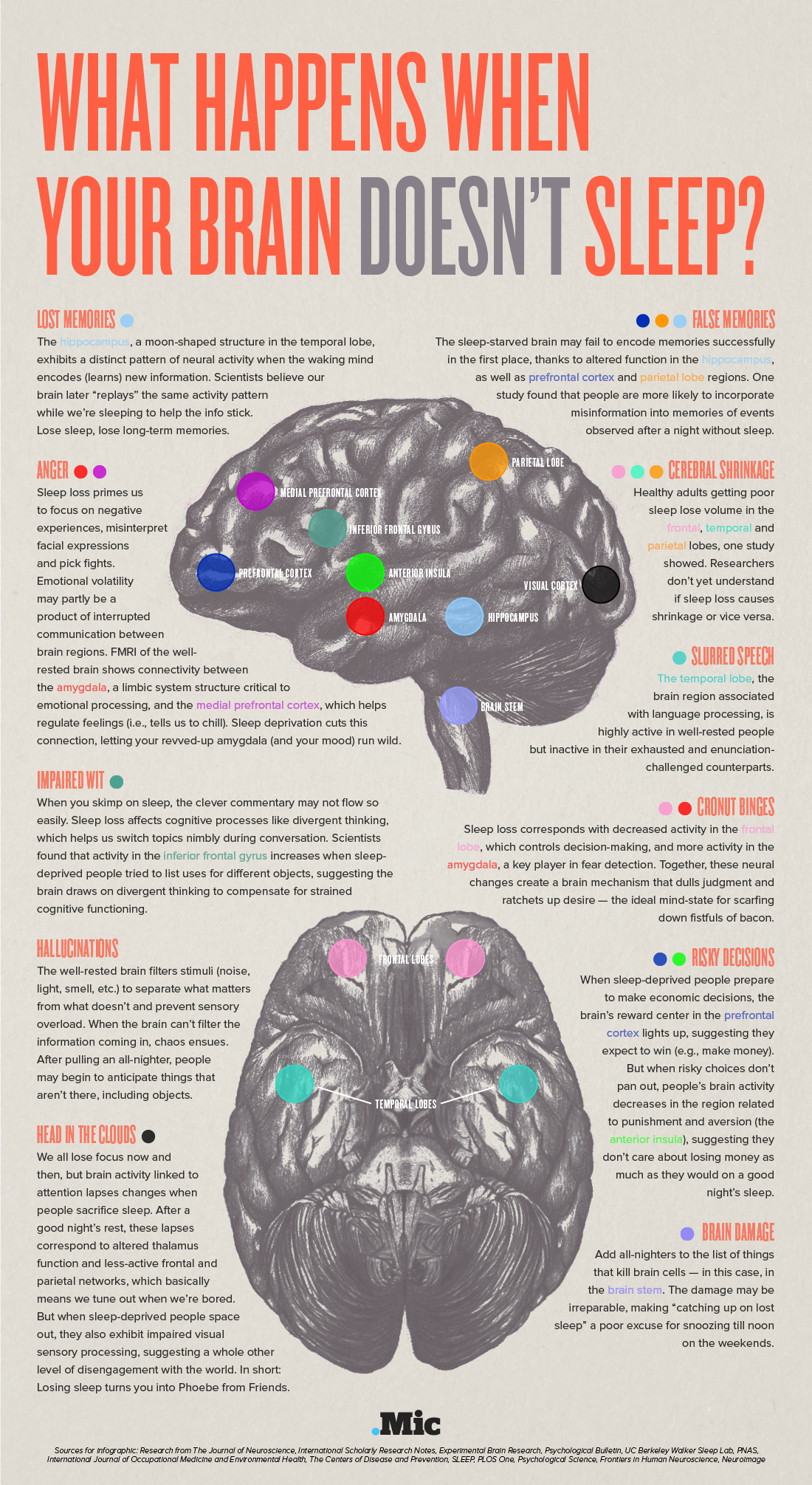
What Happens When Your Brain Doesn’t Sleep

Sleep is vital to our health and well-being and might be a critical factor in determining your longevity. More specifically, it is crucial to our brain health. Sleep deprivation can lead to false or impaired memories, mood swings ( including rage and anger) and even hallucinations. We need between  six and eight hours per night for optimal function. Most of us are not meeting this criteria. The following infographic illustrates what happens to the brain when we get inadequate sleep.

The following  infographic published by Mic in cooperation with GE.

IMG_0008